
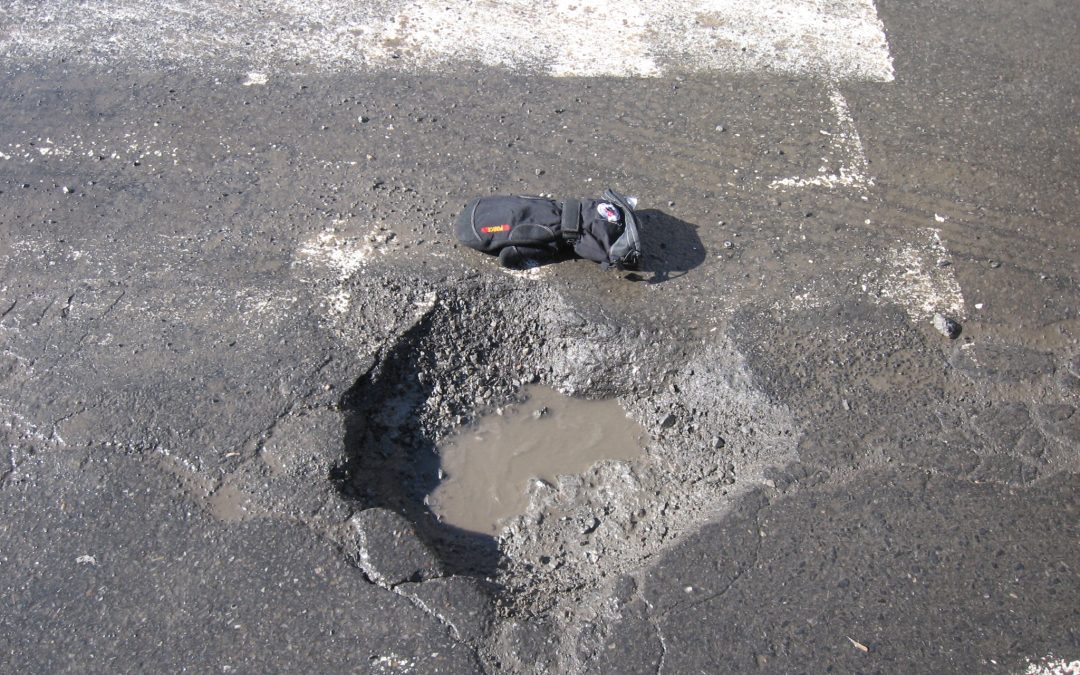
If you’ve driven around Hoppers Crossing, Werribee, or Tarneit after a heavy bout of Melbourne winter rain, you’ll know that navigating local streets can sometimes feel like traversing a minefield. Water seeps into cracks in the asphalt, traffic grinds over it, and before you know it, a tiny crevice has opened up into a tyre-shredding, rim-bending pothole.
Whether you’re commuting down the Princes Freeway or dropping the kids off at school in Wyndham, hitting a deep pothole at speed can do severe, hidden damage to your car. While your tyres take the initial impact, it’s your steering, suspension, and wheel alignment that bear the brunt of the force.
At MO3GMechanics, we see a massive influx of vehicles with steering vibrations, uneven tyre wear, and broken suspension components immediately following wet weather.
Here is how local potholes damage your car, the warning signs that something is wrong, and why a post-winter wheel alignment can save you thousands.
The Anatomy of a Pothole Impact: What Actually Happens?
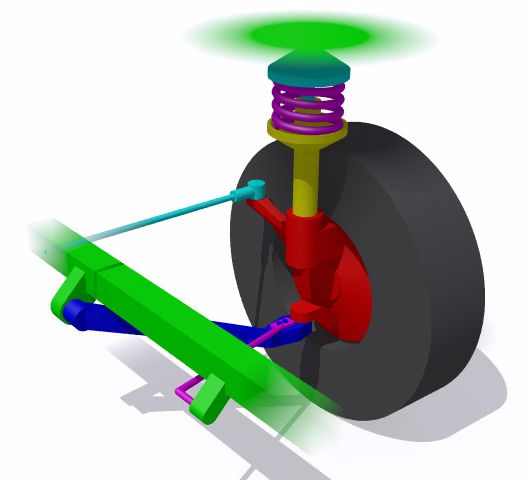
When your tyre falls into a pothole, it doesn’t just bump up and down. The wheel is violently forced backwards and upwards at the same time. This sudden, harsh transfer of energy travels directly through your steering and suspension systems.
Here is what is most likely to get damaged when you hit a pothole in Wyndham:
1. Wheel Alignment Thrown Out of Spec
Your car’s wheels are aligned to precise fractions of a millimetre to ensure they run parallel to each other and perpendicular to the road. This alignment is held in place by adjustable bolts and steering linkages. A single hard pothole hit can instantly knock these linkages out of place, throwing your wheel alignment out of spec.
When your alignment is out, your tyres no longer roll smoothly; instead, they slightly “drag” sideways along the road, causing rapid, uneven tyre wear.
2. Bent or Leaking Shock Absorbers (Suspension)
Your shock absorbers and struts are designed to dampen road vibrations. However, they have a limited amount of travel. A deep pothole can cause the suspension to “bottom out”—meaning the shock absorber compresses entirely, and the metal components slam together. This can bend the piston rod, damage the internal seals (causing hydraulic fluid to leak out), or snap the coil springs.
3. Damaged Steering Linkages and Bushings
The components connecting your steering wheel to your tyres—like tie rod ends, ball joints, and control arms—are sturdy but not indestructible. Pothole impacts can bend tie rods or tear the protective rubber boots on ball joints, allowing dirt and moisture to enter and ruin the joint.
4 Warning Signs Your Suspension or Alignment is Damaged
Sometimes pothole damage is obvious (like a blown tyre), but often it is subtle and worsens over several weeks. Keep an eye and ear out for these four critical warning signs:
1. The Car “Pulls” to One Side
If you’re driving on a flat, straight section of the Princes Freeway and have to constantly fight the steering wheel to keep the car straight, your wheel alignment is out. The car will pull toward the side that has been knocked out of spec.
2. A Crooked Steering Wheel
When driving straight, your steering wheel should be perfectly centered. If the wheel is tilted to the left or right while your car is travelling straight, a steering component has likely been bent or shifted during an impact.
3. New Steering Wheel Vibrations
If you feel a constant vibration or shimmy through the steering wheel—especially at highway speeds (80 to 100 km/h)—your wheel may be out of balance, the rim might be bent, or a suspension bush has failed.
4. Clunking, Knocking, or Squeaking Noises
Hitting speed bumps or turning corners shouldn’t sound like a toolbox rattling. If you hear metallic clunks, knocks, or squeaks when driving over uneven ground in Werribee, a shock absorber, ball joint, or stabilizer bar link is likely worn or broken.
Why a Professional Wheel Alignment is Cheap Insurance
Ignoring a minor suspension knock or a slight pull in the steering is an expensive mistake.
- Saves Your Tyres: A car with bad wheel alignment can scrub out a brand-new set of tyres in a matter of months. Instead of getting 40,000 kilometres out of your tyres, you might find the inner edges worn to the canvas in less than 10,000 kilometres.
- Improves Fuel Efficiency: When wheels aren’t pointing the right way, they create extra rolling resistance. Your engine has to work harder to push the car forward, burning more fuel.
- Restores Handling and Safety: Proper alignment and healthy suspension ensure your tyres maintain maximum contact with the road, which is critical for emergency braking and cornering, especially in wet weather.
Conquer the Potholes: Book a Wheel Alignment & Suspension Check
If you’ve recently hit a nasty pothole in Tarneit, Werribee, or Hoppers Crossing, don’t wait for your tyres to wear out or a suspension part to fail completely.
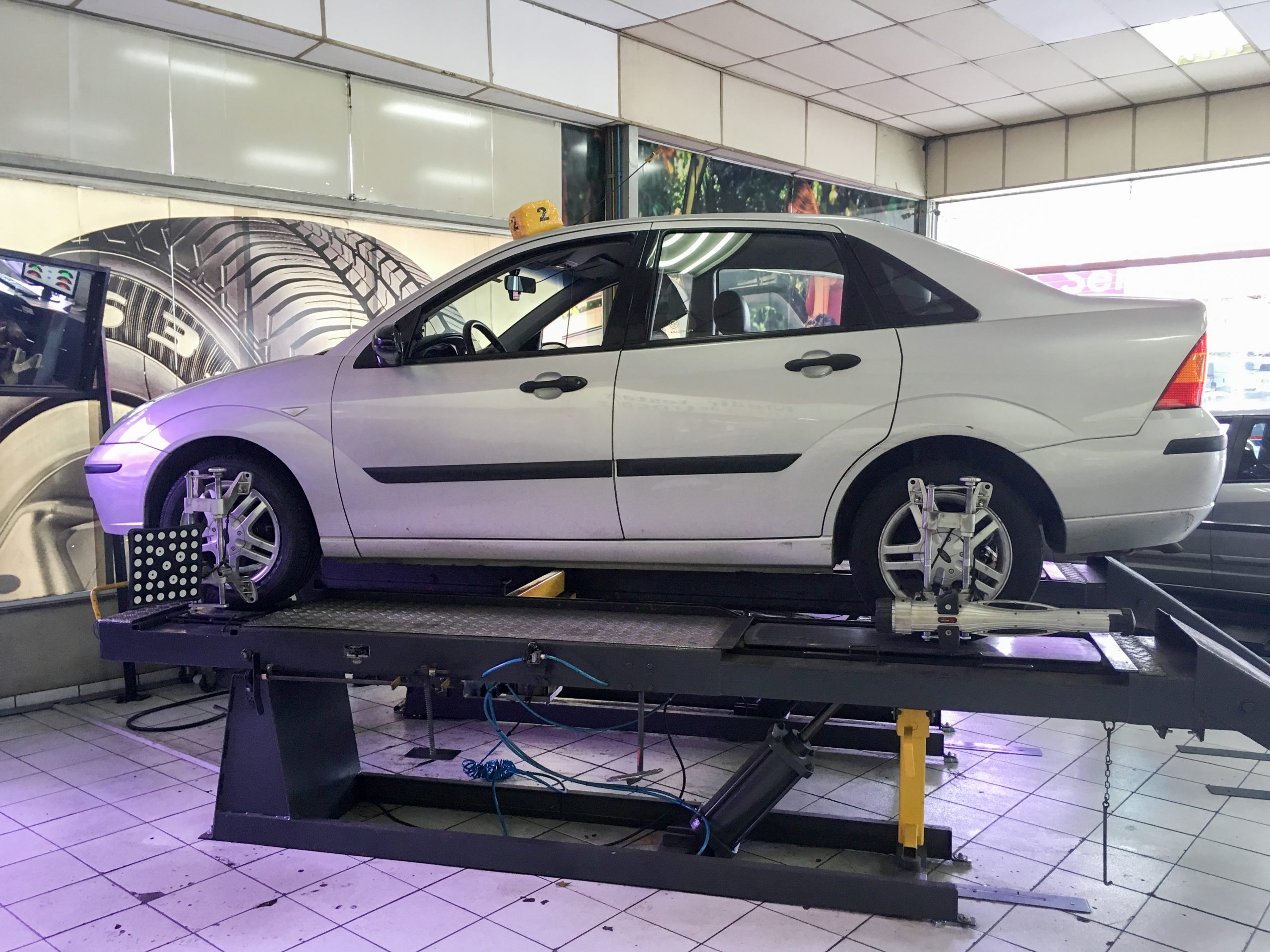
At MO3GMechanics, our qualified mechanics use advanced wheel alignment technology to restore your vehicle’s steering and suspension to factory specifications. We perform a comprehensive undercar inspection, checking all ball joints, tie rods, shock absorbers, and bushes for signs of impact damage or wear.
📞 Call MO3GMechanics today or use our booking form below to secure your wheel alignment and suspension check with a trusted local professional!