
If you commute daily from Hoppers Crossing into Melbourne or do the local school runs around Wyndham, your car’s braking system is easily the most hard-working safety feature in your vehicle. Navigating the slow Princes Freeway crawl during peak hours, sudden stops near the Hoppers Crossing Station, and navigating local roundabouts means your brakes are subjected to immense heat and friction.
Over time, this continuous stop-and-go driving wears down your brake pads and compromises your braking performance. Understanding how local commuting affects your brakes and recognizing the warning signs of brake wear is vital for keeping your family safe on Victoria’s roads.
Here is an experienced mechanic’s guide to how stop-and-go commuting wears out your brakes, how to spot warning signs, and when it’s time for a car brake service.
How Local Commuting Multiplies Brake Wear
Braking is essentially the process of converting your car’s kinetic energy (motion) into thermal energy (heat). When you press your brake pedal, hydraulic fluid squeezes your brake pads against a spinning metal disc (the rotor). This intense friction is what slows down your tyres.
In stop-and-go conditions, several factors compound this wear:
- Extreme Heat Build-up: Every time you brake, temperatures can spike up to 250°C to 300°C. On highway speed runs, the airflow cools them down. In bumper-to-bumper traffic, however, there isn’t enough airflow to cool the rotors. This continuous high heat degrades the brake pad material much faster.
- Constant Friction Cycles: In a standard 30-kilometre highway drive with free-flowing traffic, you might apply the brakes only a handful of times. In a stop-and-go commute from Hoppers Crossing, you might apply your brakes hundreds of times over the same distance, multiplying wear exponentially.

4 Warning Signs You Need a Brake Pad Replacement
Your car will almost always warn you when the braking system requires attention. At MO3GMechanics, we advise drivers in the Wyndham area to keep their ears and eyes open for these four critical warning signs:
1. High-Pitched Squealing or Squeaking
Many modern brake pads have built-in wear indicators—a tiny metal tab that scratches against the rotor when the pad wears down to a critical level (usually around 2mm of thickness left). If you hear a high-pitched squealing or squeaking sound whenever you apply the brakes, your pads are near the end of their life.
2. Metal-on-Metal Grinding
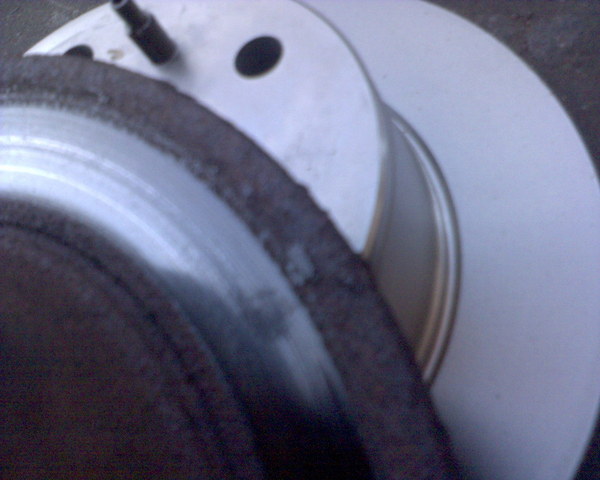
If the squealing is ignored, the brake pad friction material will wear away completely. When this happens, the metal backing plate of the pad grinds directly against the metal rotor. This produces a loud, harsh grinding noise and ruins your rotors instantly, making a simple pad swap a much more expensive repair.
3. Brake Pedal Vibration (Shuddering)
If your steering wheel vibrates or your brake pedal shudders when you apply the brakes at highway speeds (such as exiting the Princes Freeway), your brake rotors are likely warped. Excessive heat from stop-and-go traffic causes uneven metal expansion, creating high and low spots on the rotor surface.
4. A “Spongy” or Soft Brake Pedal
If your brake pedal feels unusually soft, “spongy,” or sinks all the way to the floor before the brakes engage, there is a serious issue. This is often caused by air in the brake lines, moisture contamination, or a hydraulic leak in the master cylinder. It requires immediate professional inspection.
Simple Habits to Extend Your Brake Life
- Practice Engine Braking: Instead of riding your brakes down hills, ease off the accelerator early and allow your engine’s compression to slow down the vehicle naturally.
- Leave a Safe Following Distance: Keep a generous gap between your car and the vehicle ahead on the freeway. This allows you to coast and slow down gradually rather than slamming on your brakes when traffic slows.
- Don’t “Ride” the Brake Pedal: Avoid resting your left foot lightly on the brake pedal while driving, as even minor pressure causes the pads to drag, overheat, and wear prematurely.
Secure Your Stop: Book an Honest Brake Service in Hoppers Crossing
When it comes to road safety, you should never compromise on your brakes. Worn brake pads can increase your stopping distance by several car lengths in wet conditions—the difference between a safe stop and an expensive fender bender.
At MO3GMechanics, our qualified mechanics provide thorough, honest, and reliable brake pad replacements and rotor machining for all vehicle makes and models. We use only premium quality pads and parts to ensure maximum stopping power, durability, and quiet operation under heavy stop-and-go local conditions.
📞 Call MO3GMechanics today or use our booking form below to get your brakes inspected and serviced by a trusted local professional!
Book a Service with MO3GMechanics Today
Ready to make sure your vehicle is safe and winter-ready? Fill out our quick online booking form below, and our team will get back to you shortly to confirm your booking.