
1|# Beat the 40°C Heat: Preparing Your Cooling System for a Victorian Summer
2|
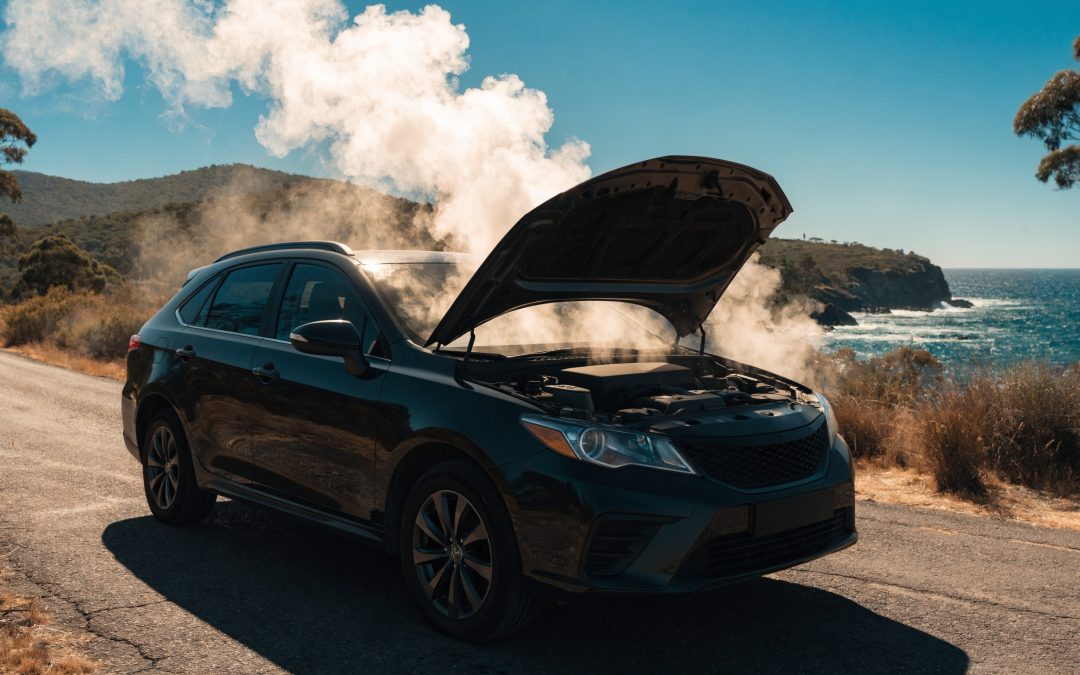
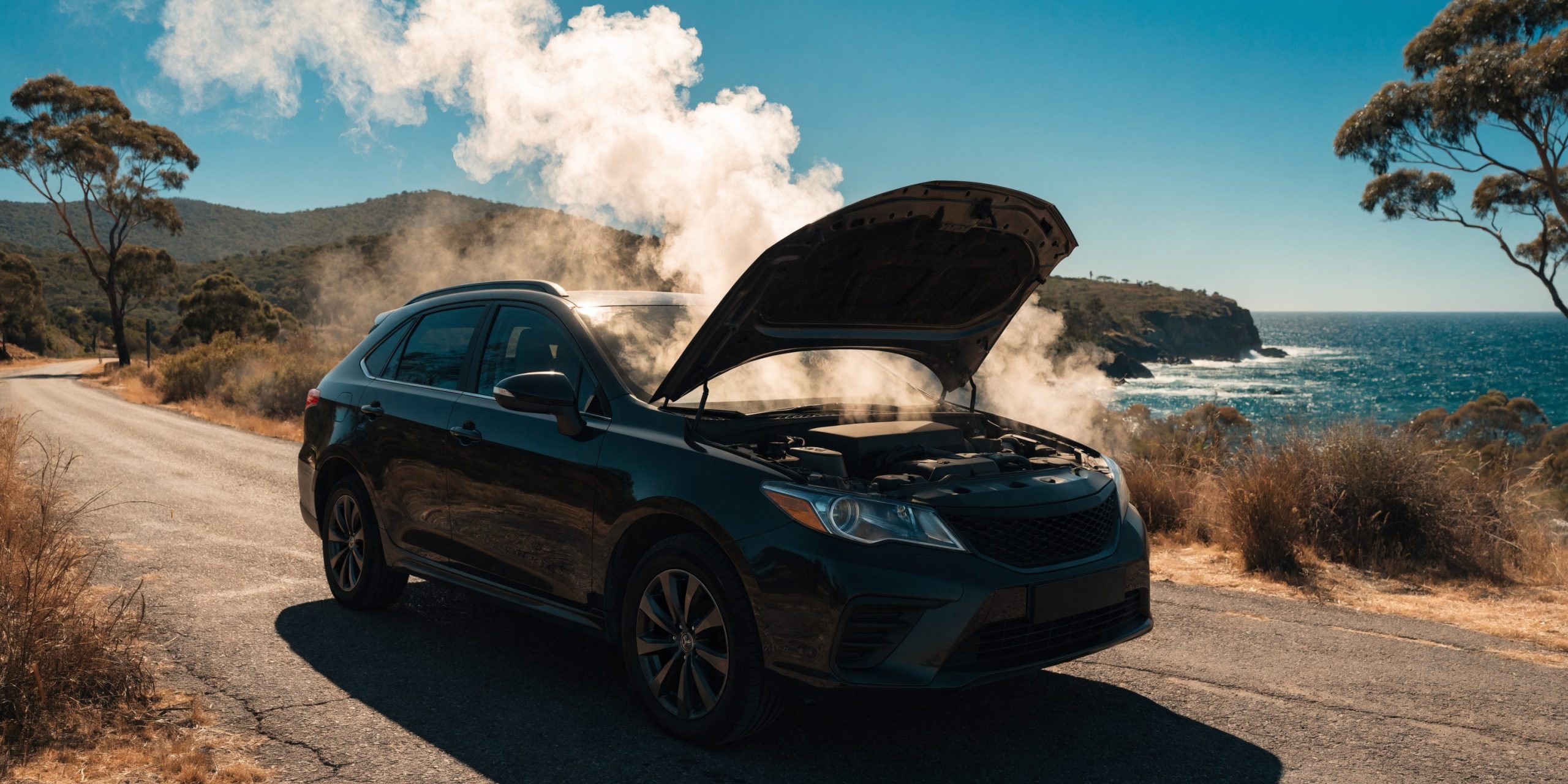
3|Melbourne summers don’t ease you in. One day you’re wearing a jumper, the next you’re watching the temperature gauge climb while you’re stuck on the Princes Freeway at 5pm with the aircon on full blast.
4|
5|If your cooling system isn’t up to it, that gauge keeps climbing. And when it hits the red, you’ve got about 30 seconds before things get expensive.
6|
7|At MO3GMechanics, the first 40-degree day of summer is like clockwork. The tow trucks start rolling in with cars that boiled over on the freeway, in the Macca’s drive-through, or sitting in school pickup traffic in Tarneit. Almost all of it was preventable.
8|
9|Here’s how to make sure your car isn’t one of them.
10|
11|—
12|
13|## Why Summer Kills Cooling Systems
14|
15|Your engine produces enormous heat — combustion temperatures inside the cylinders exceed 2,000°C. The cooling system’s job is to pull that heat out and dump it into the air through the radiator.
16|
17|It works fine in mild weather. But when ambient temperature hits 40°C, the temperature difference between the radiator and the outside air shrinks dramatically. Your cooling system has to work twice as hard to reject the same amount of heat.
18|
19|Add in stop-start traffic (no airflow), air conditioning (which dumps even more heat into the engine bay), and coolant that hasn’t been changed in four years, and you’ve got a recipe for a blown head gasket.
20|
21|—
22|
23|## The Five Things That Fail First
24|
25|After years of seeing what rolls in on the back of a tow truck during heat waves, here’s what actually fails — in order:
26|
27|### 1. Old Coolant
28|
29|Coolant isn’t just coloured water. It contains corrosion inhibitors, anti-freeze (yes, even in summer — it raises the boiling point), and lubricants for the water pump. These additives break down over time.
30|
31|Degraded coolant becomes acidic. It eats away at head gaskets from the inside, corrodes the water pump impeller, and leaves deposits that clog the radiator’s narrow tubes. By the time you notice a problem, the damage is done.
32|
33|The fix: A coolant flush every 2 to 4 years, depending on your car’s specification. It’s a $150–$250 service that protects a $4,000 engine.
34|
35|### 2. The Thermostat
36|
37|A thermostat is a spring-loaded valve that stays closed when the engine is cold (so it warms up faster) and opens when it hits operating temperature. They’re simple, reliable, and they still fail — usually stuck closed.
38|
39|A stuck thermostat blocks coolant flow. The engine overheats within minutes. You might notice the top radiator hose is cold while the engine is roasting — that’s the thermostat not opening.
40|
41|The fix: Thermostat replacement is usually a $200–$400 job. Always replace the thermostat when doing a coolant flush on a high-kilometre car.
42|
43|### 3. The Radiator
44|
45|Radiators fail two ways. Externally, the fins get clogged with bugs, leaves, and road grime — blocking airflow. Internally, corrosion and sediment build up in the tubes — blocking coolant flow.
46|
47|Plastic-tank radiators (which most modern cars use) also crack at the seams where the plastic meets the aluminium core. Once they crack, coolant leaks out and you’re stranded.
48|
49|The fix: A radiator flush and external fin clean costs $120–$180. If the radiator is leaking or severely clogged, replacement runs $400–$900 depending on the vehicle.
50|
51|### 4. The Water Pump
52|
53|The water pump circulates coolant through the engine and radiator. It’s driven by either the timing belt or the serpentine belt, and its bearing and seal wear out over time.
54|
55|A failing water pump will often give you warning: a grinding or squealing noise from the front of the engine, or a coolant leak from the weep hole on the pump housing. Ignore it and the bearing seizes, the belt snaps, and the coolant stops moving.
56|
57|The fix: Water pump replacement runs $350–$800. On many cars, it’s smart to replace the water pump at the same time as the timing belt — the labour overlaps and you save hundreds.
58|
59|### 5. Cooling Fans
60|
61|Your radiator fans pull air through the radiator when you’re stationary or moving slowly. If they don’t kick in, your temperature climbs fast at every red light.
62|
63|Fans fail from blown fuses, seized motors, or faulty temperature sensors. The first sign is usually overheating only in traffic — the temperature drops back to normal once you’re moving at speed.
64|
65|The fix: Diagnosing and replacing a cooling fan or its control module typically costs $200–$500.
66|
67|—
68|
69|## The Summer Cooling System Checklist
70|
71|Before the hot weather hits, here’s what to check — either yourself or by bringing the car into MO3GMechanics for a 15-minute inspection:
72|
73|1. Coolant level and condition — Top up if low. If the coolant looks rusty, muddy, or has oil floating in it, it needs immediate attention.
74|2. Hoses — Squeeze the upper and lower radiator hoses. They should feel firm but pliable, not rock-hard, spongy, or bulging.
75|3. Radiator cap — The cap maintains pressure in the system, which raises the boiling point. A weak cap can cause boiling without the gauge showing an overheat.
76|4. Fan operation — With the engine warm and idling, the fans should cycle on and off. If you never hear them, they’re not working.
77|5. Temperature gauge behaviour — The needle should sit steady just below halfway under all normal driving conditions. If it creeps up in traffic or climbs under load, something’s wrong.
78|
79|—
80|
81|## What to Do If It Overheats
82|
83|If your temperature gauge climbs into the red while you’re driving:
84|
85|1. Turn off the air conditioning immediately. It dumps heat into the engine bay.
86|2. Turn the heater on full hot, fan on maximum. Yes, it’ll be uncomfortable. It pulls heat out of the engine and dumps it into the cabin.
87|3. Pull over safely as soon as you can. Do not keep driving.
88|4. Do NOT open the radiator cap. The system is pressurised and the coolant is well above boiling point. Opening the cap will spray scalding coolant everywhere. Wait at least 30 minutes.
89|5. Call for a tow if the temperature doesn’t drop quickly. A tow costs $150. A head gasket costs $3,000. Do the maths.
90|
91|—
92|
93|## Don’t Wait for the Heat Wave
94|
95|Every summer, we get calls from drivers who ignored the warning signs until the first 40-degree day. By then, we’re booked solid and they’re looking at a week without a car — or worse, a blown engine.
96|
97|Get your cooling system checked now, while the weather’s mild and the workshop has availability. It’s a small investment against a very big bill.
98|
99|📞 Call MO3GMechanics or use the booking form below to book a summer cooling system inspection. We’re in Hoppers Crossing, servicing Werribee, Tarneit, Wyndham Vale, and all of Melbourne’s outer west.
100|