
# Article 13: Roadworthy Certificates in Victoria
**Title:** Roadworthy Certificates in Victoria: What Every Driver Needs to Know
**Slug:** roadworthy-certificate-victoria-rwc-guide
**Category:** Buying a Used Car (16)
**Word Count:** ~1,850 words
**Status:** Final
—
## HTML Article
“`html
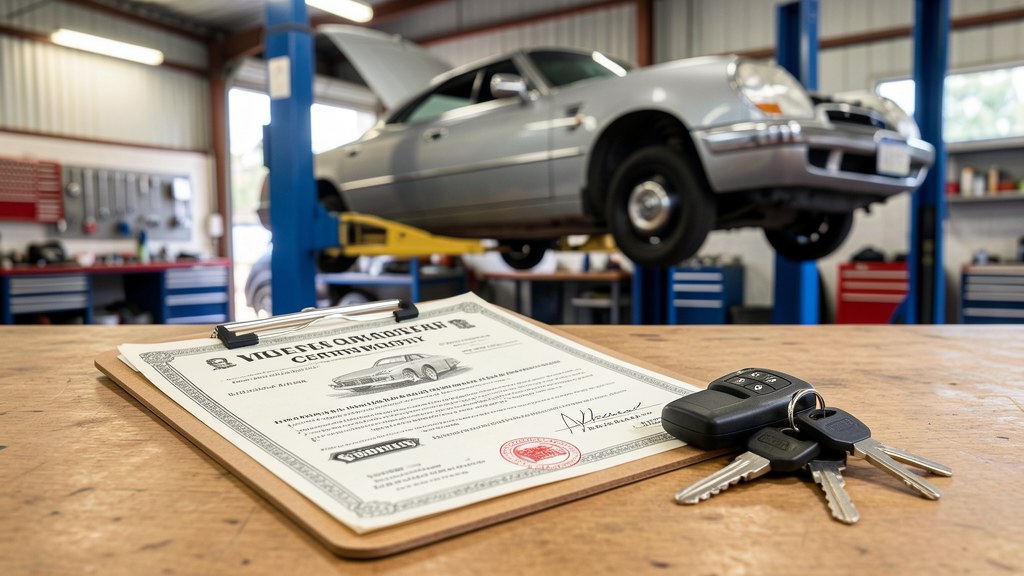
Selling or Buying a Car in VIC? You Need an RWC — Here’s the Complete Guide
If you’ve ever sold a car privately in Victoria — or bought one from a mate, a Facebook Marketplace listing, or a bloke down the road in Hoppers Crossing — you’ve probably bumped into the three letters that can make or break the deal: RWC. A Roadworthy Certificate isn’t just a bit of paperwork. It’s a legal requirement under VicRoads, and without one, you simply can’t transfer registration to a new owner. Whether you’re upgrading the family SUV, selling your first car after getting your P-plates, or picking up a cheap runabout for the commute along the Princes Freeway, understanding how the RWC process works will save you time, money, and a surprising amount of stress.
At MO3GMechanics, we carry out Roadworthy Certificate inspections every single week for drivers across Hoppers Crossing, Wyndham, Werribee, Tarneit, and the wider western suburbs. This guide pulls together everything we’ve learned — the legal bits, the common fail items, the costs, and the practical tips — so you know exactly what to expect before you book.
What Is a Roadworthy Certificate?
A Roadworthy Certificate (RWC) is an official document issued by a Licensed Vehicle Tester (LVT) — a mechanic authorised by VicRoads to inspect vehicles and certify them as roadworthy. The certificate confirms that, at the time of inspection, the vehicle meets the minimum safety standards required to be driven on Victorian roads.
The legal framework is straightforward: under Victoria’s Road Safety Act 1986 and the associated Motor Vehicle Standards Regulations 2009, a current RWC must be presented to VicRoads whenever a vehicle’s registration is transferred to a new owner. This applies to private sales, gifts between family members, and even some dealer transactions. No RWC, no transfer — it’s that simple.
It’s worth noting what the RWC is not. It is not a comprehensive mechanical warranty. It is not a guarantee that the engine, gearbox, or electrical systems are in good condition. It is a snapshot — a point-in-time assessment that the vehicle is safe to operate on public roads. This distinction matters enormously, and we’ll come back to it shortly.
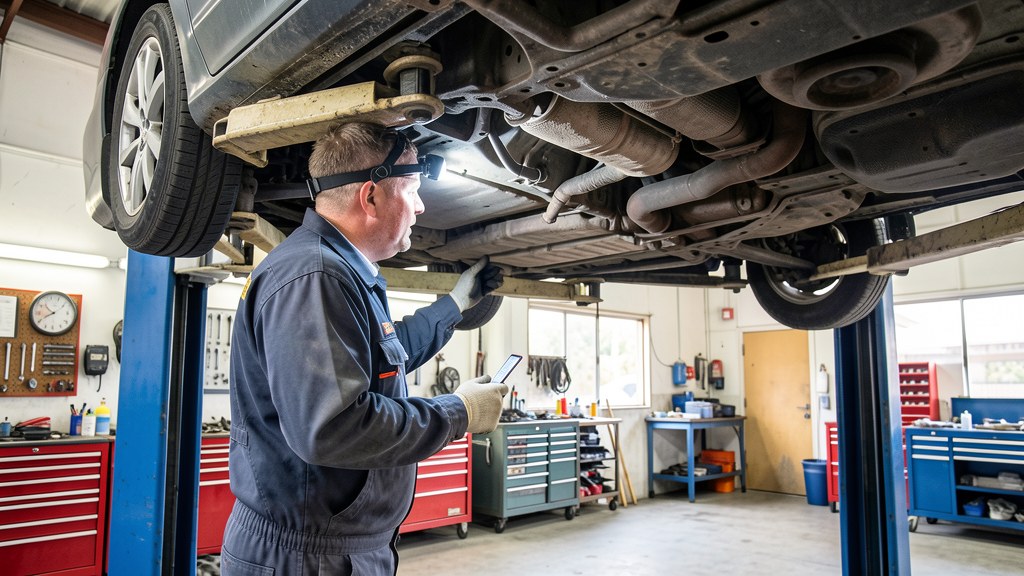
What the RWC Covers
The VicRoads roadworthy inspection is focused exclusively on safety-critical components. Here’s what a Licensed Vehicle Tester will examine during the inspection:
Brakes
Both the foot brake and handbrake are tested for effectiveness. The inspector checks brake pad and shoe thickness, brake disc and drum condition, brake lines and hoses for leaks or deterioration, and the operation of the brake warning light on the dashboard.
Tyres and Wheels
Every tyre must have a minimum tread depth of 1.5mm across the central three-quarters of the tread pattern. Tyres are also checked for cuts, bulges, exposed cords, and mismatched construction types on the same axle. Wheels are inspected for cracks, distortion, and missing or loose wheel nuts.
Steering and Suspension
The steering system is checked for excessive play, wear in steering components, and the operation of power steering. Suspension items include shock absorbers, springs, ball joints, tie rod ends, control arm bushes, and strut tops — all inspected for wear, leakage, or damage that could affect vehicle stability or control.
Body and Rust
The vehicle body is examined for structural rust — particularly in areas that affect crashworthiness, such as chassis rails, suspension mounting points, and structural pillars. Surface rust that doesn’t compromise safety won’t fail an RWC, but significant corrosion in load-bearing areas absolutely will.
Lights and Reflectors
All mandatory lights must work: headlights (high and low beam), taillights, brake lights, indicators, number plate lights, and reversing lights where fitted. Reflectors, the horn, and all warning lamps on the dashboard are also checked.
Windscreen and Glass
The windscreen is inspected for cracks and chips. A crack in the driver’s line of sight — a zone roughly 290mm wide directly ahead of the steering wheel — will cause a fail. Cracks elsewhere on the windscreen must not exceed specific size limits set by VicRoads. Side and rear windows are checked for visibility-obstructing damage.
Wipers and Washers
Windscreen wipers must effectively clear the glass, and the washer system must deliver fluid to the windscreen. Worn or perished wiper blades are one of the easiest things to fix before an inspection.
Seats and Seatbelts
Seats must be securely mounted and adjusted through their full range. Seatbelts are checked for webbing damage, fraying, faulty retractors, and secure anchorages. Every seating position must have a functioning seatbelt.
What the RWC Does NOT Cover
This is where many buyers and sellers get caught out. The RWC is a safety inspection — not a mechanical health check. Here’s what it does not assess:
- Engine condition: Compression, oil consumption, internal wear, timing belt condition, and oil leaks that don’t present a fire or safety hazard are not part of the inspection.
- Gearbox and differential: Slipping gears, worn synchros, diff whine, and clutch wear are not checked unless they create an obvious safety risk.
- Electrical systems: Beyond mandatory lights and warning lamps, accessories like air conditioning, power windows, infotainment systems, and central locking are not assessed.
- Paint and cosmetic rust: Surface rust on panels, faded paint, and minor dents that don’t create sharp edges or structural issues won’t fail an RWC.
- Tyre brand and age: The inspection checks tread depth and condition, not whether the tyres are premium or budget, or how old the rubber is (though age-related cracking can trigger a fail).
The takeaway? A car with a valid RWC is certified as safe — but it may still have a worn engine, a slipping gearbox, or an air-con system that blows warm. If you’re buying a used car, consider a separate pre-purchase inspection that goes beyond the roadworthy requirements. MO3GMechanics offers both — just ask.
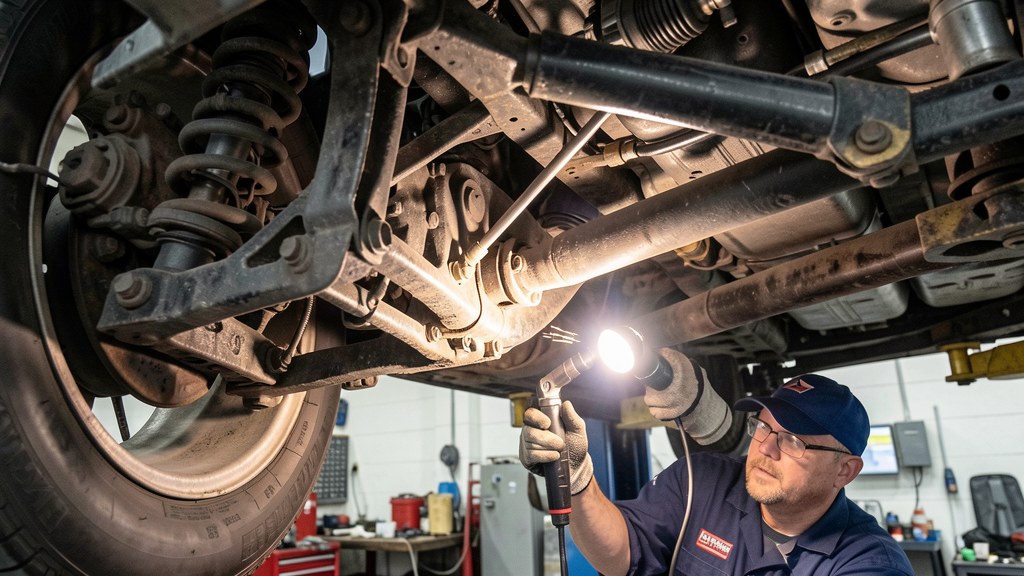
Common Fail Items
After years of carrying out RWC inspections at our Hoppers Crossing workshop, we see the same issues come up time and again. Here are the most common reasons vehicles fail — and what to check before you book:
1. Tyres Below 1.5mm Tread Depth
This is the single most common fail item. Tyres worn to the wear indicators — or close to them — will not pass. If you can see the wear bars sitting flush with the tread, it’s time for new rubber. A set of four budget tyres for a small car typically starts around $400–$600 fitted; larger SUVs and utes can run $600–$1,000+.
2. Worn Brake Pads
Brake pads worn below approximately 3mm of friction material will fail the inspection. If you’ve noticed a squealing noise when braking or a spongy pedal feel, get them checked. Front pads for most passenger vehicles cost $150–$300 per axle, with rotors adding $200–$400 if they’re also worn or scored.
3. Worn Suspension Bushes
Control arm bushes, sway bar links, and strut bushes wear out over time — especially on cars that have done the kilometres typical of western suburbs commuting. Clunking over bumps or vague steering are telltale signs. Bush replacement typically runs $80–$200 per corner depending on the vehicle.
4. Cracked or Chipped Windscreen
A chip in the driver’s direct line of sight or a crack longer than the VicRoads-specified limit means an automatic fail. The good news: many comprehensive insurance policies cover windscreen replacement with a low or zero excess, and standalone windscreen replacement starts from around $300–$500 for most vehicles.
5. Blown Globes and Faulty Lights
It sounds trivial, but a blown headlight globe, brake light, or indicator is an instant fail — and a $5–$30 part. Walk around your car before the inspection and check every single light. Better yet, have someone help you check the brake and reversing lights while you’re inside.
How Long Is an RWC Valid?
In Victoria, a Roadworthy Certificate is valid for 30 days from the date of issue. This is a hard limit set by VicRoads — there are no extensions, no grace periods, and no exceptions. If the certificate expires before you complete the registration transfer, you’ll need a brand-new inspection and a new certificate.
This 30-day window is designed to give buyers and sellers a reasonable timeframe to complete the transaction without the vehicle’s condition changing significantly. Plan accordingly: book the inspection close to the sale date, and lodge the transfer with VicRoads promptly.
Cost Expectations
The cost of a Roadworthy Certificate inspection in Victoria typically ranges from $150 to $300, depending on the vehicle type and the workshop. At MO3GMechanics, our standard RWC inspection is competitively priced — call us for a current quote.
It’s important to understand that the inspection fee covers the assessment only. If the vehicle fails, repair costs are additional — and these vary enormously depending on what needs fixing. A car that needs four tyres, front brake pads, and a windscreen could rack up $800–$1,200 in repairs before it passes. A well-maintained vehicle might pass first time with zero additional cost.
Here’s a rough guide to common RWC-related repair costs in the Hoppers Crossing area:
- Tyres (per tyre): $100–$250
- Brake pads (per axle): $150–$350
- Brake rotors (per pair): $200–$450
- Suspension bushes (per corner): $80–$200
- Shock absorbers (per pair): $250–$500
- Windscreen replacement: $300–$550
- Wiper blades (pair): $30–$60
- Globes (each): $5–$30
Private Sale vs Dealer: Who Pays for the RWC?
In a private sale in Victoria, the seller is legally required to provide a current Roadworthy Certificate before the registration can be transferred. This means if you’re selling your car privately — whether it’s listed on Carsales, Gumtree, or the noticeboard at the local school in Hoppers Crossing — you need to organise and pay for the RWC.
If the vehicle doesn’t pass the initial inspection, the seller is responsible for the repairs needed to bring it up to roadworthy standard. The buyer cannot legally complete the transfer without that certificate.
When buying from a licensed motor dealer, the rules are slightly different. Dealers must provide a certificate of roadworthiness or a statutory warranty depending on the vehicle’s age and kilometres. Vehicles less than 10 years old or with fewer than 160,000 kilometres on the odometer generally come with a statutory warranty of three months or 5,000 kilometres, whichever comes first. Always check the specifics of your purchase agreement.
There’s one more scenario worth mentioning: if you’re selling a car unregistered — for example, a vehicle that’s been sitting in the driveway for months and the rego has lapsed — no RWC is required for the sale itself. However, the buyer will need an RWC (plus a VIV inspection if the vehicle was written off) to re-register it. Be upfront about this in your listing.
What to Check Before Booking Your RWC
Want to save money and avoid a failed inspection? Spend 15 minutes checking your vehicle before you bring it in. Here’s our pre-inspection checklist:
- Walk around and check every light: Headlights (high and low beam), taillights, brake lights, indicators, reversing lights, number plate light. Replace any blown globes — they’re cheap and easy.
- Check tyre tread depth: Use a tread depth gauge or a 20-cent coin. If the tread is close to the wear indicators, budget for new tyres.
- Test the windscreen wipers and washers: Top up the washer fluid and replace perished blades.
- Inspect the windscreen: Look for chips and cracks, especially in the driver’s line of sight.
- Check the horn: It sounds obvious, but a faulty horn is a fail item.
- Listen for unusual noises: Clunks over bumps, grinding when braking, or whining from the steering can indicate suspension, brake, or steering issues.
- Check seatbelts: Make sure they retract properly and show no signs of fraying or damage.
- Clean the vehicle: A clean car makes the inspection easier and faster — and shows you’ve looked after it.
Addressing these basics before your inspection can save you the cost of a re-inspection fee and the inconvenience of a second appointment. Most workshops — including ours — charge a reduced re-inspection fee if you return within a set timeframe to have repaired items re-checked, but it’s still money you don’t need to spend.
Book Your RWC Inspection at MO3GMechanics
If you’re selling a car, buying a used vehicle, or simply want the peace of mind that comes with knowing your car is safe and roadworthy, MO3GMechanics is here to help. We’re a Licensed Vehicle Tester authorised by VicRoads, and we’ve been issuing Roadworthy Certificates for drivers across Hoppers Crossing, Wyndham, Werribee, Tarneit, Truganina, and the wider western suburbs for years.
Our experienced team knows exactly what VicRoads requires — and we’ll give you honest, upfront advice about any issues we find. No unnecessary repairs, no surprises. Just a thorough, professional inspection and a clear path to getting your certificate sorted.
Booking is easy. Call us, message us online, or drop into the workshop — we’re conveniently located for anyone commuting along the Princes Freeway or shopping at Pacific Werribee. We’ll get you in, get the inspection done, and get you back on the road with your RWC in hand.
Ready to book your Roadworthy Certificate inspection? Contact MO3GMechanics today and let our Licensed Vehicle Testers take care of it. Whether you’re selling privately, buying a used car, or just want the assurance that your vehicle is safe for the family, we’ll make the process straightforward and stress-free.
“`