
# Transmission Fluid: The $4,000 Mistake Most Hoppers Crossing Drivers Make
**Slug:** transmission-fluid-service-guide
**Category:** Maintenance & Servicing (11)
—
The Most Expensive Fluid You’re Ignoring
Ask any mechanic in Hoppers Crossing what kills gearboxes, and they’ll all give you the same one-word answer: neglect. Transmission fluid is the single most overlooked service item on Australian roads, and the consequences of ignoring it are staggering. A full transmission fluid service costs between $250 and $450. A transmission rebuild will set you back $3,000 to $5,000. A complete replacement? That’s $4,000 to $7,000, sometimes more for European and four-wheel-drive vehicles. The difference between those two numbers comes down to one thing: whether you changed the fluid on time.
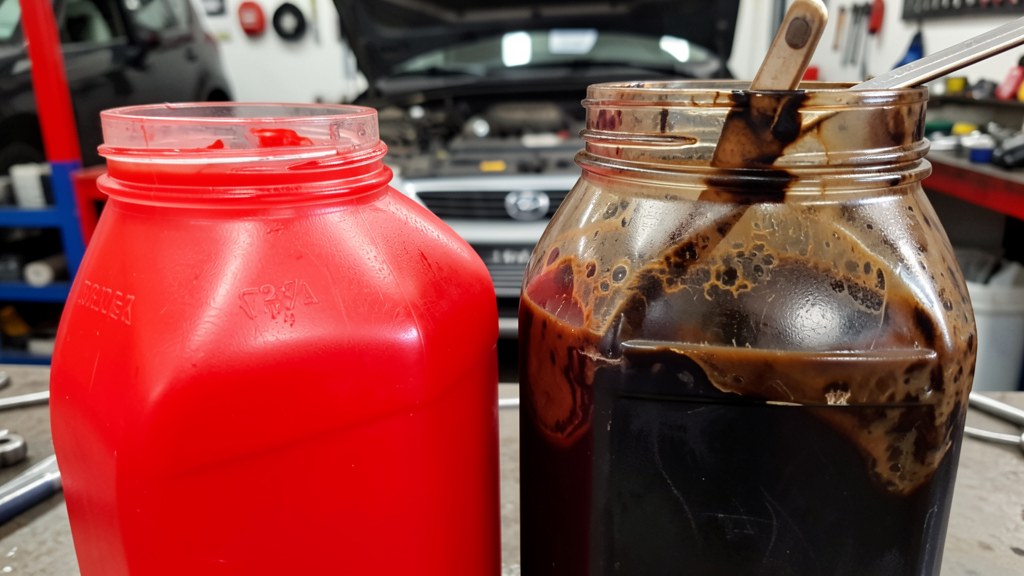
At MO3GMechanics, we see the aftermath of skipped transmission services every week. Drivers come in complaining of rough gear changes, a sluggish response off the lights, or a burning smell under the bonnet — and by then, the damage is often already done. The fluid that should have been bright red and slippery has turned into a dark, gritty sludge that’s eating away at the very components it was meant to protect. So let’s talk about transmission fluid: what it does, when to change it, and why the “sealed for life” label on your dipstick is one of the most expensive myths in modern motoring.
What Transmission Fluid Actually Does
Your transmission is a marvel of engineering — hundreds of precision-machined components spinning, engaging, and disengaging at high speed, all packed into a housing the size of a small esky. Transmission fluid is the lifeblood that keeps that system working. It does four critical jobs simultaneously:
1. Hydraulic Pressure
In an automatic transmission, the fluid is the hydraulic medium that actually makes the gears change. The transmission control unit directs pressurised fluid through narrow passages to engage clutches and bands — without it, an auto box simply cannot function. It’s not lubrication for the gearbox; it’s the muscle that moves it.
2. Cooling
A transmission generates enormous heat. The fluid circulates through a cooler (usually inside the radiator) to dump that heat, keeping internal temperatures below the critical 90–105°C range where ATF begins to break down. When the fluid degrades, cooling efficiency drops, temperatures spike, and the damage cascade begins.
3. Lubrication
Gear sets, bearings, bushings, and shafts all rely on a microscopic film of fluid to prevent metal-on-metal contact. Clean ATF maintains the right viscosity to keep those surfaces apart. Worn fluid thins out under heat and loses that protective film.
4. Cleaning and Protection
Modern automatic transmission fluids contain detergents and dispersants that hold contaminants in suspension so they can be trapped by the filter, rather than settling on internal components. They also include anti-wear additives, friction modifiers, and corrosion inhibitors. When those additives are consumed, the fluid stops protecting and starts attacking.
Automatic vs Manual: Different Fluids, Different Rules
Not all transmissions use the same fluid, and treating them as interchangeable is a quick way to destroy a gearbox. Automatic transmissions use Automatic Transmission Fluid (ATF) — a highly specialised, dyed-red oil formulated for hydraulic operation, friction control, and high-temperature stability. Common specifications include Dexron VI, Mercon LV, and Toyota WS, and each vehicle manufacturer specifies exactly which one is required. Using the wrong specification can cause shudder, slipping, or premature clutch failure.
Manual transmissions use gear oil — a thicker, heavier lubricant rated by viscosity (typically 75W-80, 75W-85, or 75W-90). Some modern manuals use lighter ATF-style fluids for fuel economy, so it’s critical to check the manufacturer’s specification, not guess. Manual gear oil doesn’t break down as quickly as ATF, but it still collects wear debris from synchronisers and bearings and still needs replacing.
As a general rule: automatic transmissions need more frequent fluid changes because the fluid works harder (hydraulic, cooling, and lubrication duty), while manual transmissions tolerate longer intervals but still require scheduled replacement to protect the synchronisers.
The “Lifetime Fluid” Myth — What It Really Means
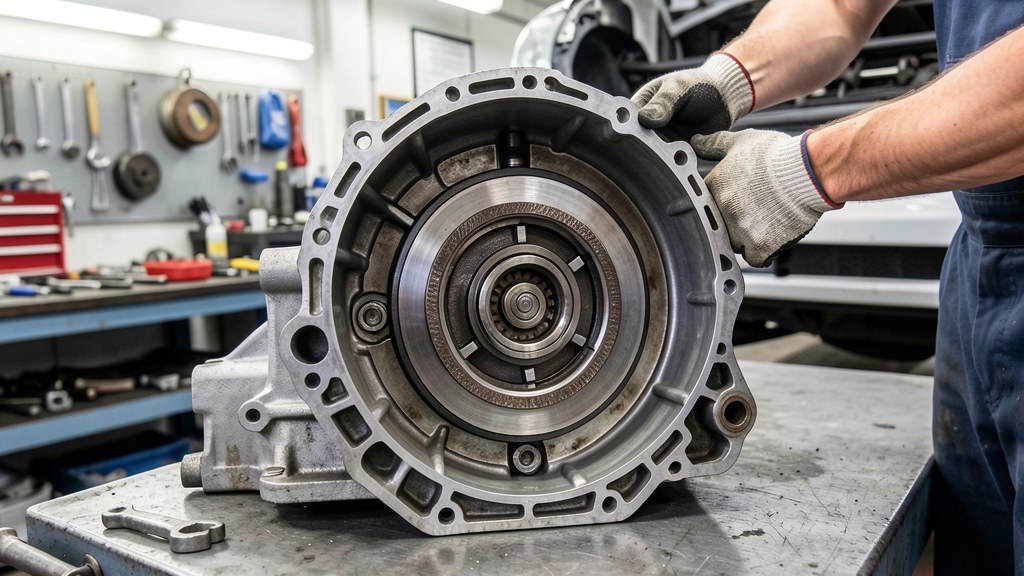
If you’ve bought a car in the last ten years, you may have seen a claim in the owner’s manual that the transmission fluid is “filled for life” or the gearbox is “sealed for life.” This sounds reassuring. It isn’t.
Here’s what “sealed for life” actually means in the eyes of the manufacturer: the transmission has been filled with enough fluid to survive the warranty period — typically 100,000 kilometres or five years, whichever comes first. After that, the manufacturer’s obligation ends. “Life” doesn’t mean the life of the vehicle. It means the life of the warranty. Beyond that point, the fluid is still breaking down, the additives are still depleting, and the transmission is still wearing.
The marketing logic is cynical but effective. A car with “sealed for life” transmission fluid looks cheaper to service on paper, which helps move metal off dealer lots. The manufacturer doesn’t pay for transmission services under the capped-price servicing schedule. And when the gearbox fails at 150,000 or 180,000 kilometres — well outside warranty — that’s your problem, not theirs. The replacement or rebuild becomes your $4,000 to $7,000 expense.
We’ve opened “sealed for life” transmissions at 120,000 kilometres and found fluid that looks like used engine oil, magnet plugs coated in metallic sludge, and filters clogged with clutch material. That’s not lifetime protection. That’s a slow, expensive death. The fix is simple: ignore the marketing and service the fluid on a proper schedule.
Signs Your Transmission Is Failing
Transmissions rarely fail without warning. They send signals — sometimes subtle, sometimes glaring — in the weeks and months before a catastrophic failure. If you notice any of the following, book a diagnostic immediately:
Slipping Gears
The engine revs up but the car doesn’t accelerate proportionally, or the gearbox seems to drop out of gear under load. This usually means the fluid is too low, too worn, or too burnt to maintain hydraulic pressure on the clutches.
Rough or Hard Shifts
You feel a harsh clunk or shudder when the gearbox changes gears, especially from first to second or from second to third. This can be caused by degraded friction modifiers in the fluid, a failing solenoid, or worn clutch packs.
Burning Smell
A hot, acrid smell — sometimes described as burnt toast or overheated oil — coming from under the bonnet or the transmission tunnel is a sign that the fluid is overheating and oxidising. Once ATF burns, it loses its protective properties rapidly.
Delayed Engagement
When you shift from Park to Drive or Reverse, there’s a noticeable lag — a second or two of silence before the gearbox “catches” and the car starts to move. This is often an early sign of low fluid pressure, which points to low fluid level, a failing pump, or internal leakage.
Fluid Leaks Under the Car
Red or brownish fluid pooling under the front of the vehicle — particularly around the transmission pan, cooler lines, or driveshaft seals — means you’re losing fluid. A transmission running low will overheat and destroy itself quickly. If you see spots on your driveway in Hoppers Crossing, don’t wait — get it checked.
Service Intervals: When to Change Your Fluid
At MO3GMechanics, we recommend the following transmission fluid service schedule based on real-world conditions across Melbourne’s western suburbs:
- Standard driving: Every 60,000 to 80,000 kilometres for automatic transmissions; every 80,000 to 100,000 kilometres for manuals.
- Severe duty: Every 40,000 kilometres. Severe duty includes stop-and-go traffic, frequent short trips, towing, and heavy loads.
- Towing and commercial use: Every 40,000 kilometres, and inspect the fluid condition at every regular service.
If you don’t know when the fluid was last changed — for example, if you bought a used car without a full service history — have the fluid condition checked immediately. We can sample it, check colour and smell, and look for metallic debris on the pan magnets. A fluid change is cheap insurance when the service history is unknown.
Flush vs Drain-and-Fill: What’s the Difference?
There are two main approaches to changing transmission fluid, and the right choice depends on your vehicle and its service history.
Drain-and-Fill
This is the traditional, conservative method. We drop the transmission pan, drain the old fluid, replace the internal filter, clean the magnets, reinstall the pan with a new gasket, and refill with fresh ATF to the correct level. This typically replaces about 40–60% of the total fluid volume (the rest remains in the torque converter and cooler lines). It’s gentle, safe for high-mileage transmissions, and lets us inspect the pan for wear debris. For vehicles with a service history, this is usually the right approach, and it can be repeated after a few thousand kilometres to gradually refresh the total volume.
Transmission Flush
A flush uses a specialised machine to pump new fluid through the entire system while simultaneously extracting the old fluid — including what’s trapped in the torque converter and cooler. This replaces close to 100% of the fluid in a single pass. It’s more thorough, but it’s also more aggressive: on a high-mileage transmission that has never been serviced, a flush can dislodge accumulated sludge and debris, sometimes causing more harm than good. For this reason, we assess each vehicle individually. On a well-maintained gearbox, a flush is an excellent way to fully refresh the system. On a neglected one, a conservative drain-and-fill is safer.
At MO3GMechanics, we don’t believe in one-size-fits-all servicing. We check the fluid condition, the service history, and the mileage, then recommend the approach that best protects your transmission.
The Real Cost: Service vs Rebuild vs Replacement
Let’s put the numbers side by side so the value of preventative maintenance is clear:
| Service | Typical Cost (AUD) | When It Applies |
|---|---|---|
| Transmission fluid service (drain, filter, refill) | $250 – $450 | Every 60,000–80,000km (standard) |
| Transmission flush (full system) | $350 – $550 | Every 80,000–100,000km or as required |
| Transmission rebuild | $3,000 – $5,000 | When internal components fail from wear or contamination |
| Transmission replacement (new or recon unit) | $4,000 – $7,000+ | When the unit is beyond economical repair |
The maths is brutal in its simplicity. A driver who services their transmission every 60,000 kilometres over a 240,000-kilometre vehicle life spends roughly $1,000 to $1,800 on transmission fluid services total. A driver who skips it and runs the fluid into the ground spends $4,000 to $7,000 on a rebuild or replacement — and usually a tow truck bill on top. There is no scenario where skipping the service saves you money.
Hoppers Crossing Driving Is Severe Duty — Yes, Really
Here’s something most drivers don’t realise: the way we drive around Hoppers Crossing and the wider Wyndham area qualifies as severe-duty operation under virtually every manufacturer’s definition.
Severe duty isn’t just about towing a caravan up the Hume Highway. It includes:
- Stop-and-go traffic: The crawl along the Princes Freeway during peak, the queue at the Sayers Road intersection, the stop-start grind through Hoppers Crossing and Werribee — every one of those gear changes generates heat and wear that a steady highway cruise simply doesn’t.
- Frequent short trips: The school run to Hoppers Crossing Secondary College or Baden Powell College, the dash to Pacific Werribee, the quick hop to the station — these trips rarely let the transmission reach full operating temperature, which means moisture from condensation doesn’t evaporate from the fluid, accelerating breakdown.
- Idling in gear: Sitting in the school pickup queue with the gearbox in Drive is constant load with no airflow through the cooler.
- Hill starts and heavy loads: The rise up toward the freeway and the constant stopping on inclines around the station all add load.
So when the manufacturer’s manual says “severe duty — change every 40,000 kilometres,” that’s not aimed at tradies towing trailers. It’s aimed at you. If you’re driving in and around Hoppers Crossing day to day, your transmission is working harder than you think.
Why It Pays to Service Locally
There’s another reason to stay on top of transmission servicing: we know your car. At MO3GMechanics, we keep a full service history on file, we know when your last fluid change was, and we’ll flag the next one before it becomes urgent. We use the correct fluid specification for your vehicle — not a generic one-size-fits-all product — and we check the pan, the filter, and the magnets for early signs of wear that a simple “top-up” at a quick-lube shop will miss entirely.
A transmission service is a 45-minute to 90-minute job in our workshop. It’s clean, it’s straightforward, and it’s one of the highest-value services you can perform on a vehicle. We’ve seen well-serviced transmissions run past 300,000 kilometres without issue, and we’ve seen neglected ones fail before 150,000. The difference is never luck — it’s maintenance.
Don’t Wait for the Warning Signs — Book Your Transmission Service Today
If your transmission fluid hasn’t been changed in the last 60,000 kilometres, or you’re noticing rough shifts, a burning smell, or a delay when you put it in gear, don’t gamble with a $4,000 repair bill. A transmission fluid service at MO3GMechanics costs a fraction of a rebuild and could add years to the life of your gearbox.
Based in Hoppers Crossing and serving drivers across Wyndham and Melbourne’s western suburbs, MO3GMechanics offers professional transmission servicing for all makes and models — automatic, manual, CVT, and dual-clutch. We use manufacturer-specified fluids, inspect your pan and filter, and give you an honest assessment of your transmission’s condition.
Book your transmission service today. Call MO3GMechanics, message us online, or drop by the workshop in Hoppers Crossing. Your gearbox — and your wallet — will thank you.